

What is a Hostile Workplace Environment? Signs, Causes & How to Fix it
A hostile workplace environment can quietly erode trust, performance, and wellbeing across an organisation. While it may not always be obvious at first, the effects are often deeply felt by employees and leaders alike.
Understanding what creates a hostile workplace – and how to address it – is essential to building a culture where people feel safe to contribute and thrive. This helps promote psychological safety in the workplace, which underpins open communication, trust, and team effectiveness.
Overview
What is a Hostile Workplace Environment?
A hostile workplace environment is one where behaviour – whether intentional or not – creates an intimidating, offensive, or unsafe atmosphere for employees. In Australia, this often overlaps with unlawful workplace behaviours such as bullying, harassment, or discrimination under the Fair Work Act 2009 and Work Health and Safety (WHS) laws.
A workplace doesn’t need to involve overt conflict to be considered hostile. Repeated negative behaviours, lack of support, or a culture of fear can all contribute to an environment where employees feel unsafe or unable to speak up.
From an employer’s perspective, there is a clear duty of care to provide a safe working environment, both physically and psychologically. Many organisations partner with HR consultants to assess risks, strengthen policies, and ensure compliance while improving workplace culture.
Key Warning Signs

A hostile workplace environment often develops gradually, making early warning signs easy to miss. Recognising these indicators can help leaders act before issues escalate.
Common signs include:
Frequent conflict, tension, or unresolved disputes between team members
Poor communication or avoidance of difficult conversations
Increased absenteeism or staff turnover
Employees appearing disengaged, withdrawn, or reluctant to contribute
Gossip, cliques, or exclusionary behaviour within teams
Lack of trust in leadership or reluctance to raise concerns
In some cases, employees may feel they need to “keep their head down” to avoid conflict. When this becomes the norm, it signals a deeper cultural issue that requires attention.
Organisations often benefit from structured team workshops to surface these issues and rebuild open, respectful communication.
Hostile workplace environments don’t appear overnight. They are usually the result of underlying cultural or leadership challenges.
Common Causes of Hostile Workplace Environment
Poor leadership
Leaders who avoid accountability, dismiss concerns, or communicate inconsistently can unintentionally create fear or confusion within teams. Leadership sets the tone – when it’s misaligned, culture often follows.
Lack of accountability
When staff and management leave inappropriate behaviour unchecked, it signals that standards are optional. Over time, this can normalise disrespect and erode trust.
Cultural issues
Workplace norms that tolerate gossip, favouritism, or exclusion can contribute to a toxic environment. Without clear expectations and reinforcement, these behaviours can become embedded.
Addressing these root causes requires more than policy updates – it calls for intentional culture change. Through leadership coaching, organisations can support managers to build self-awareness, communication skills, and accountability.
Impact on Psychological Safety

A hostile workplace environment directly undermines psychological safety. When employees feel judged, excluded, or intimidated, they are far less likely to speak up or contribute meaningfully.
This has wide-reaching effects:
Innovation declines because people avoid sharing new ideas
Mistakes go unreported, increasing risk
Collaboration breaks down as trust erodes
Employee wellbeing suffers, leading to burnout and disengagement
Even high-performing teams can quickly lose momentum in a hostile environment. Without psychological safety, individuals focus more on self-protection than collective success.
Creating a safe culture means actively addressing these barriers and reinforcing behaviours that support openness, respect, and inclusion.
How to Fix a Hostile Workplace
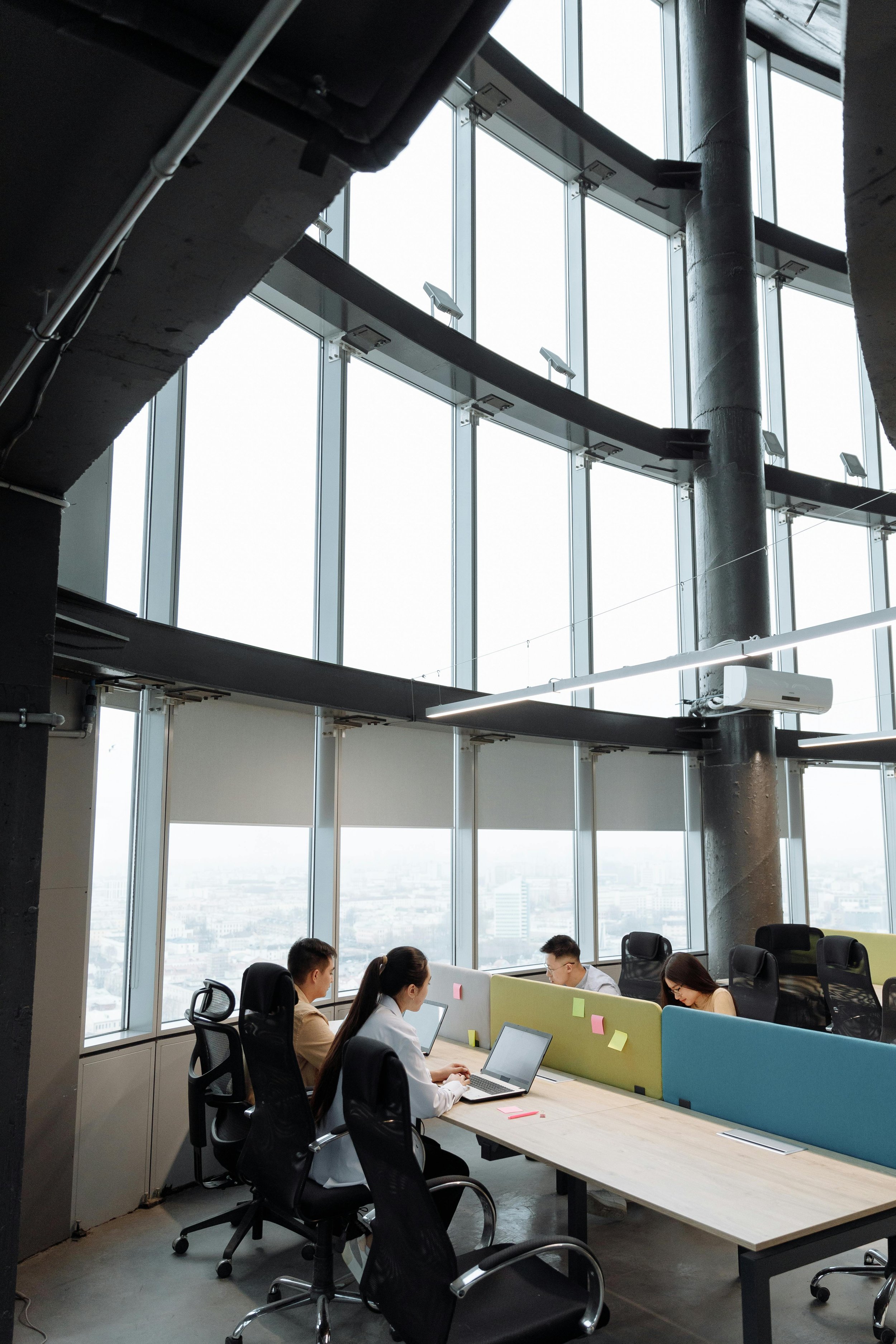
Rebuilding a positive workplace culture takes time, but with the right approach, it’s entirely achievable.
Key steps include:
Acknowledge the issue: Leaders must recognise and take ownership of cultural challenges rather than minimising them.
Set clear expectations: Establish and communicate behavioural standards that define respect and accountability.
Encourage open dialogue: Create safe channels for employees to share concerns without fear of retaliation.
Act consistently: Address inappropriate behaviour promptly and fairly, regardless of role or seniority.
Invest in development: Provide training and support to strengthen leadership capability and team dynamics.
Some organisations find that external support provides clarity and momentum. Engaging in structured programs or advisory services can help identify blind spots and accelerate change.
Creating Safer Workplaces
Transforming a hostile workplace environment isn’t just about eliminating negative behaviours – it’s about actively building a culture where people feel safe, valued, and empowered.
This means embedding psychological safety into everyday practices: how meetings are run, how feedback is given, and how leaders show up. Small, consistent actions can have a significant impact over time.
For organisations ready to take meaningful steps forward, The Woohoo Co.’s Creating Safe Spaces workshop provides practical tools to shift behaviours, strengthen trust, and create more positive team environments.
Hostile Workplace Environment FAQs
-
An example of a hostile workplace is a team where employees are regularly belittled, excluded from decisions, or afraid to speak up due to fear of criticism or retaliation. Over time, this creates a culture of fear and disengagement.
-
You may be in a hostile work environment if you feel unsafe expressing ideas, notice ongoing conflict or disrespect, or experience stress and anxiety linked to workplace interactions. A lack of support or fairness can also be an indicator.
-
Toxic behaviours include bullying, gossiping, exclusion, micromanagement, favouritism, and aggressive communication. These behaviours damage trust, reduce collaboration, and negatively impact both individuals and team performance.
Let’s chat
Partner with Us for Positive Change
Are you a Government leader striving to enhance workplace culture, strengthen team dynamics, or navigate organisational transformation—all while positively impacting your community? We bring the expertise, energy, and tailored resources to make these challenges manageable—and even enjoyable.
Our approach combines practical solutions with a touch of humour, fostering meaningful engagement and sustainable results. By empowering your workforce, we help create stronger teams and a resilient organisation that better serves the community it serves.
Take the first step towards transformation.
Complete the form below, and let’s build a thriving workplace and community together.